A First Look at the Governor's Race
Dunleavy is constitutionally barred from running again, so for the first time in years, we'll get to see some fresh faces enter the ring.


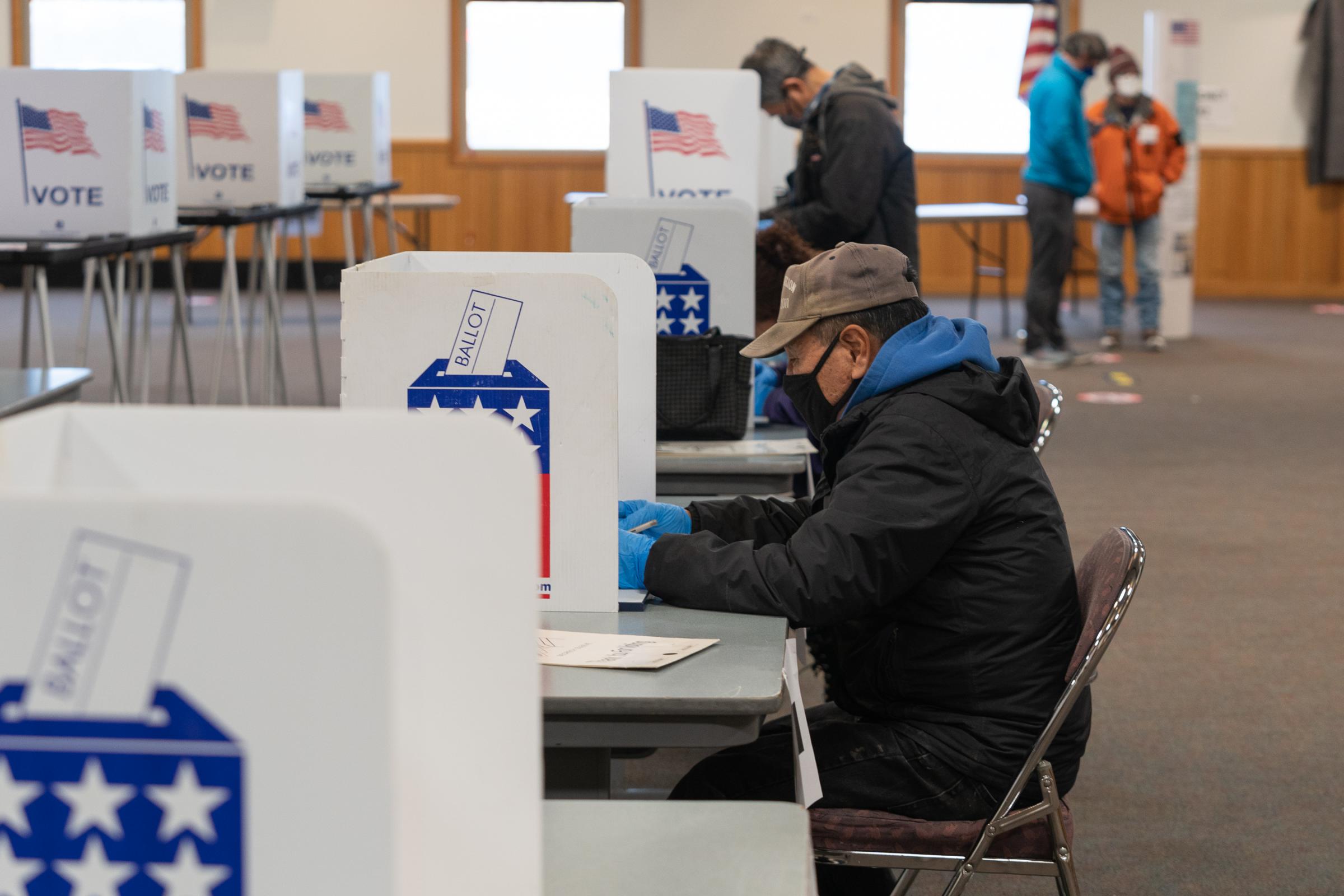
It feels like just yesterday that Alaskans raced to the polls to cast their votes for President and Representative. Now, as we enter the new year, there is also a new race on everyone's mind: no, not the senate race (admittedly, this is important too), but the governor's race! That's right, Dunleavy is constitutionally barred from running again, so for the first time in years, we'll get to see some fresh faces enter the ring. As of right now, I haven't seen much coverage on the major candidates, so I decided to make my own article.
In this article, we will be covering the six people I have deemed to be the most important candidates in the race so far: four Republicans and one Democrat. In order of their appearance, Click Bishop, Nancy Dahlstrom, Dave Bronson, Bernadette Wilson, Tom Begich, and the secret wildcard who has the potential to upset the entire race.
Click Bishop (R)
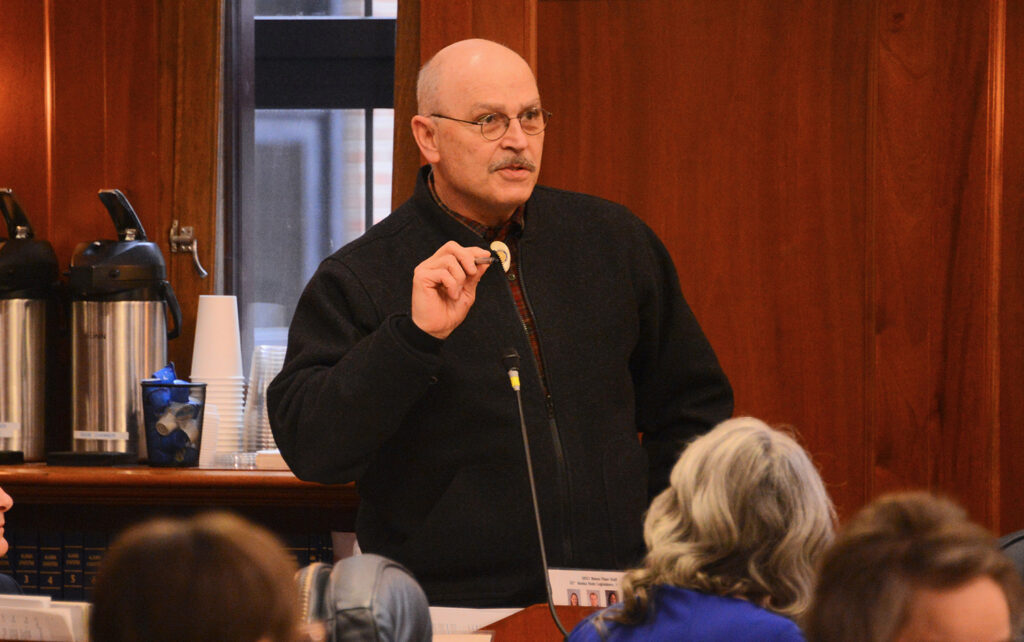
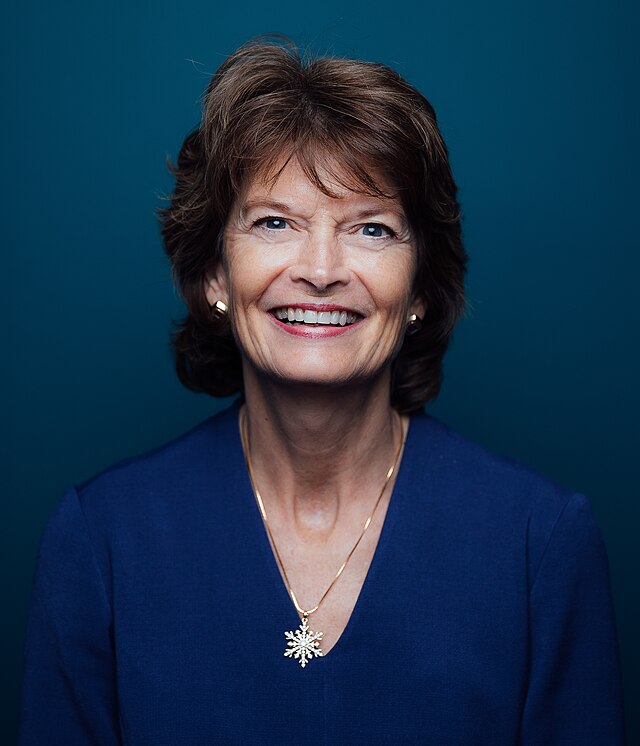
Click Bishop was the first candidate to file a letter of intent with the Alaska Public Offices Commission on May 5th of last year, and, as such, it is fitting that he is the first candidate that we discuss today.
Click Bishop has a very unique life-story, one that almost makes him the quintessential modern Alaskan frontiersman. Living in Alaska since 1959 when his family moved here at the age of 2, Click has directly experienced many of the most iconic events in modern Alaskan history. Upon his graduation from high school in 1974, Bishop went on to join the International Union of Operating Engineers and spent nearly two decades working on projects throughout the state, including the famous Trans-Alaskan Pipeline. After working for the union from 1994 to his formal retirement in 2006, Bishop decided to have a go at politics, a story that is obviously still developing.
Click Bishop's website is light in the volume of issues he wishes to tackle. He lists four major issues he would like to prioritize as governor: energy, education, economy, and fisheries. Despite listing these as a priority, the website provides almost nothing practical or concrete. Under education, his main focus seems to be on attacking the Alaskan brain drain, writing, "Our goal is to turn the tide of outmigration of our own workforce. Young people shouldn't have to leave the state to find opportunities."
His economy section is also vague, mentioning a stable economy based on "responsible resource development, transportation and energy infrastructure, small business strength, and long-term fiscal discipline..." His fisheries section emphasizes "sustainable, science-based management." The most unclear and vague policy position is on energy, in which he enthusiastically and astutely notes, "Cheap energy is going to grow the economy in ways we cannot fathom yet!"
Considering how empty the campaign website is, it will be useful to examine Click Bishop's record in the State Senate to determine what kind of governor he is likely to be. As a state senator from 2013 to 2025, Bishop has an extensive voting record. During his time in the senate, he was a member of the Senate Majority Coalition, a moderate, bipartisan alliance that focuses on issues such as education, balancing the budget, retirement reform, and energy development. During his tenure, Bishop had the following notable positions:
(2024) Yea, on Senate Bill 140, which focused on education reform, and would have drastically raised the Base Student Allocation (before being vetoed by Governor Dunleavy)
(2022) Yea, on tabling Senate Bill 140, a bill which would have barred transgender athletes from participating in school sports
(2016) Yea (and a co-sponsor), on Senate Bill 91, a bill which implemented criminal justice reform with the goal of cutting Alaska's prison population by changing focus from punishment to rehabilitation.
With these votes in mind, I think it is fair to classify Click Bishop as a moderate Republican candidate, most highlighted by the fact that he served as a member of the Senate Majority Coalition, as well as his votes on these key bills. A Bishop governorship, then, might be a return to moderation following the conservative Dunleavy. Bishop also carries a lot of experience with him into office, not just in politics, but in life. I think he has a decent shot at winning, but he'll need to ramp up his campaigning to get his name out there.
Nancy Dahlstrom (R)
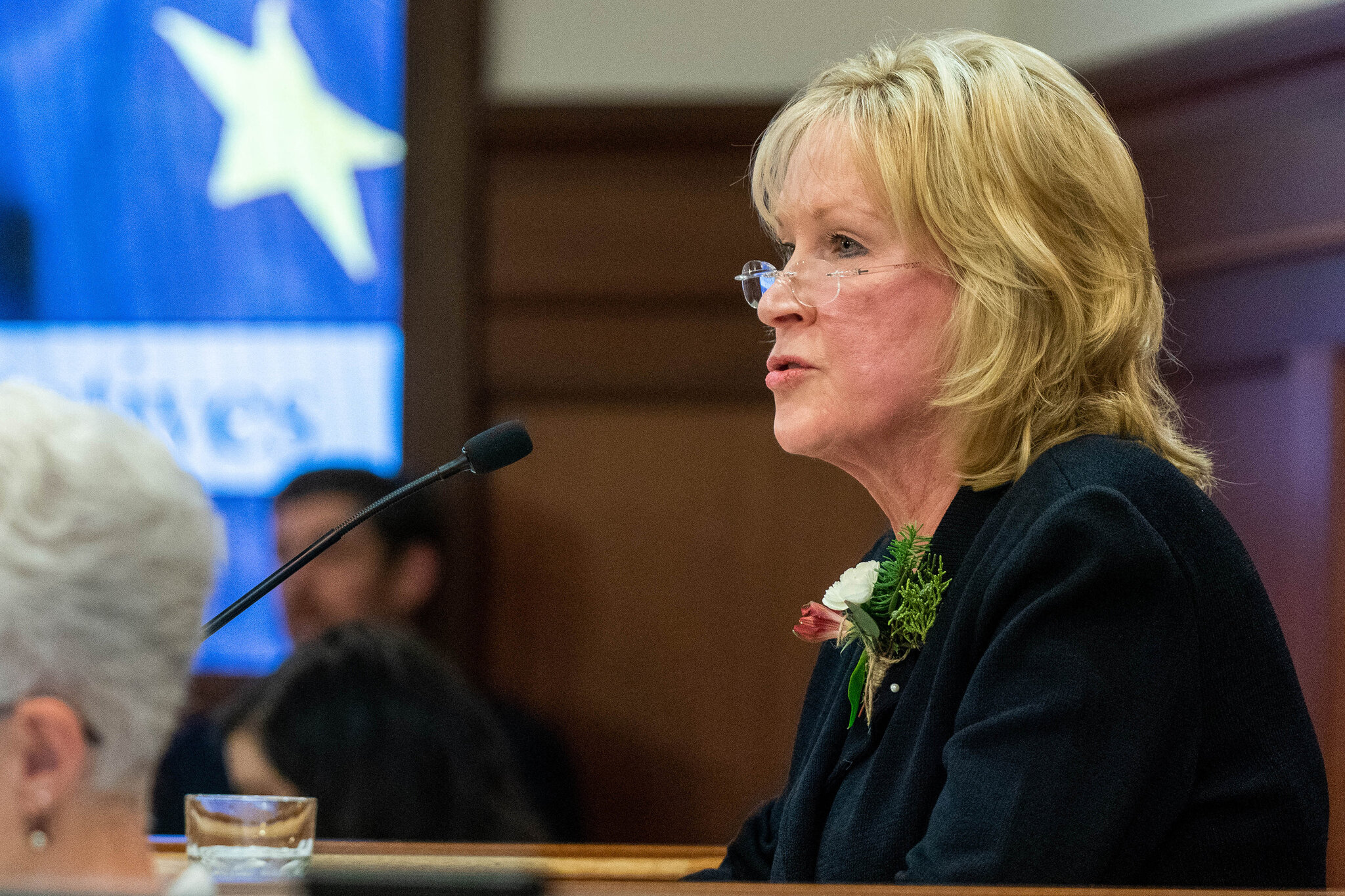
Just hours after Bishop filed his letter of intent, Lieutenant Governor Nancy Dahlstrom entered the race as well, positioning herself as a major force in the governor's race.
Despite serving as Lieutenant Governor, the 2nd highest office in the state of Alaska, for 3 years under Governor Dunleavy, Nancy Dahlstrom (alongside many of her Republican peers) seems to suffer from the problem of a devastating lack of recognition from voters. According to an August 2025 poll conducted by Cygnal Research which surveyed 500 likely GOP primary voters, 46% of voters had no idea who Nancy Dahlstrom was. Compare this to Mary Peltola, who was known to all but 18%. In a field that is so crowded with Republicans, name recognition is vital, and Nancy Dahlstrom simply lacks it, a problem that has haunted her since her 2024 campaign for the house.
Despite this issue facing the Dahlstrom campaign, we must note that elections are totally not a popularity contest. You, as an educated Alaska Angle reader, must be wondering: where does the Lieutenant Governor stand on policy?
Fortunately for us, Dahlstrom's campaign website offers her stance on a plethora of issues. While her policy positions are not especially detailed, they do offer something beyond the earlier maxim of Bishop and cheap energy.
I'll go over her most important policy positions below:
Nancy Dahlstrom is a more conservative candidate than Bishop. Her educational policy is very vague, most likely due to how controversial that issue is in Alaska, but she seems to hint at favoring school choice programs through her quote about giving quality education to Alaskans "no matter their zip code." This is speculation, of course, as Dahlstrom has not spoken publicly on whether or not she supports school choice programs such as vouchers. It's worth noting, however, that Governor Dunleavy strongly supports school choice, writing in May of 2025, "That means empowering parents with choices. That means holding schools accountable for performance--not just enrollment." It seems like Dahlstrom will toe that same line.
Her economic policy focuses on fostering growth through "stable taxes" and, more importantly, cutting regulations on business, making one mention of "cutting red tape" and another of "a government that doesn't get in the way." On a similar note, Dahlstrom also intends to focus heavily on energy, with one of her main priorities being to address the declining Railbelt, which supports the energy needs of about 70% of Alaskans. As to be expected, she is also very pro-development, supporting Trump's agenda of "unleashing Alaska's energy potential."
The rest of her policies are about what you would expect from a modern conservative: she is tough on crime, wants to support veterans, supports increasing military strength in Alaska (an odd issue to highlight as a governor), strongly defends the 2nd amendment, advocates for fiscal responsibility through spending cuts, and wants to push for the development of the LNG project. The other things of note are her stance on the PFD, strongly opposing any cuts to it in direct opposition to the House Majority Coalition's aims, which favors fiscal responsibility over the PFD, as well as her somewhat out-of-place support for protection of public lands.
In terms of her electability, I think she's one of the more likely candidates to win the election. She got her name out there a little bit in 2024, setting the stage for this run, and has a good deal of political experience through her service as lieutenant governor. When it comes down to it, her main competitors are the more-charismatic Bernadette Wilson and the Democrat Tom Begich.
Dave Bronson (R)
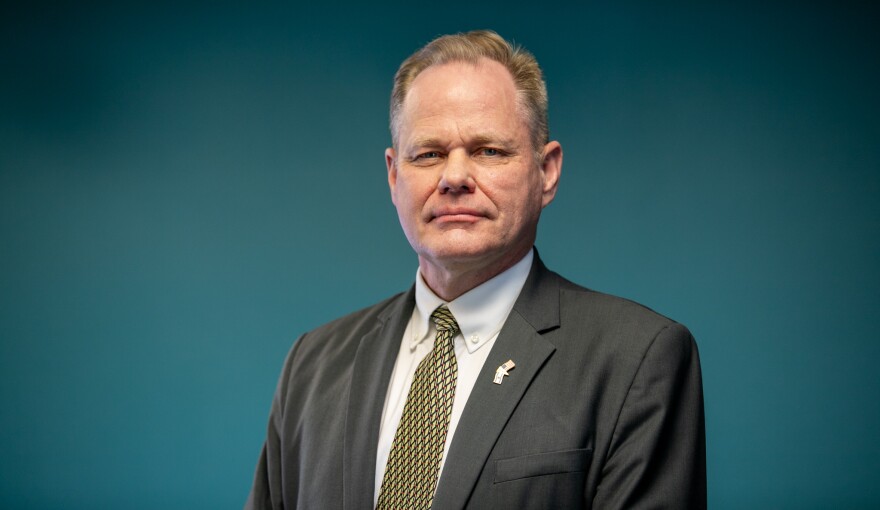
It just wouldn't be a governor's race without an Anchoragite throwing his hat in the ring. Dave Bronson's political career began and ended in Anchorage, serving as its mayor from 2021 to 2024 when he was unseated by Suzanne LaFrance (an independent, endorsed by the Alaska State Democrats). Despite losing to a Democrat in Anchorage as an incumbent, Dave Bronson has convinced himself that he can flop upwards to the governorship.
Ok, that was a little mean. Let's take an objective look at his policy positions:
He has none. I looked on his website and he has nothing there as of January 5th. There are just three sections in the header: "About," "Events," and "Get Involved." Perhaps unsurprisingly, the events tab is completely blank. The "About" tab gives the usual spheal of politician platitudes, and the "Get Involved" tab is recruiting volunteers via an embedded google form.
I don't even dislike Dave; I just don't know what he stands for and it seems like he doesn't care about anything. On September 3rd of last year, Bronson resigned from his important position as manager of the Ted Stevens International Airport, saying only to reporters that it was "time to move along" and "it's hunting season." It doesn't reflect well on how seriously he would take the office of governor.
Even though Bronson doesn't seem eager to tell anyone what he believes in a race for the most important position in Alaska, it's still my job to make an educated guess by taking a look at his record as Mayor of Anchorage:
The main issues characterizing Bronson's mayorship of Anchorage were homelessness, Covid-19, and the allegations regarding unethical and illegal practices of his administration. On homelessness, Bronson attracted a lot of controversy by shutting down the emergency homeless shelter in Sullivan Arena in 2023, forcing hundreds of homeless people onto the street, where they largely crowded Centennial Camper Park. Bronson responded by proposing that we offer homeless people flights out of Alaska, another controversial move. Because of his own actions in starting construction of another shelter without assembly approval, the assembly refused to fund the shelter, making the crisis worse.
On Covid, Bronson focused mostly on ending the lockdowns and bringing things back to normalcy, but some were critical of these measures, calling it irresponsible and premature. His administration was also bridled by lawsuits such as the suit from his former City Manager, Amy Demboski, who alleges that several illegal and unethical acts were perpetrated by the Bronson administration.
Bronson seems like the candidate least likely to win. He is not just unknown state-wide, but in the one place he is known, he isn't particularly well-liked.
Bernadette Wilson (R)
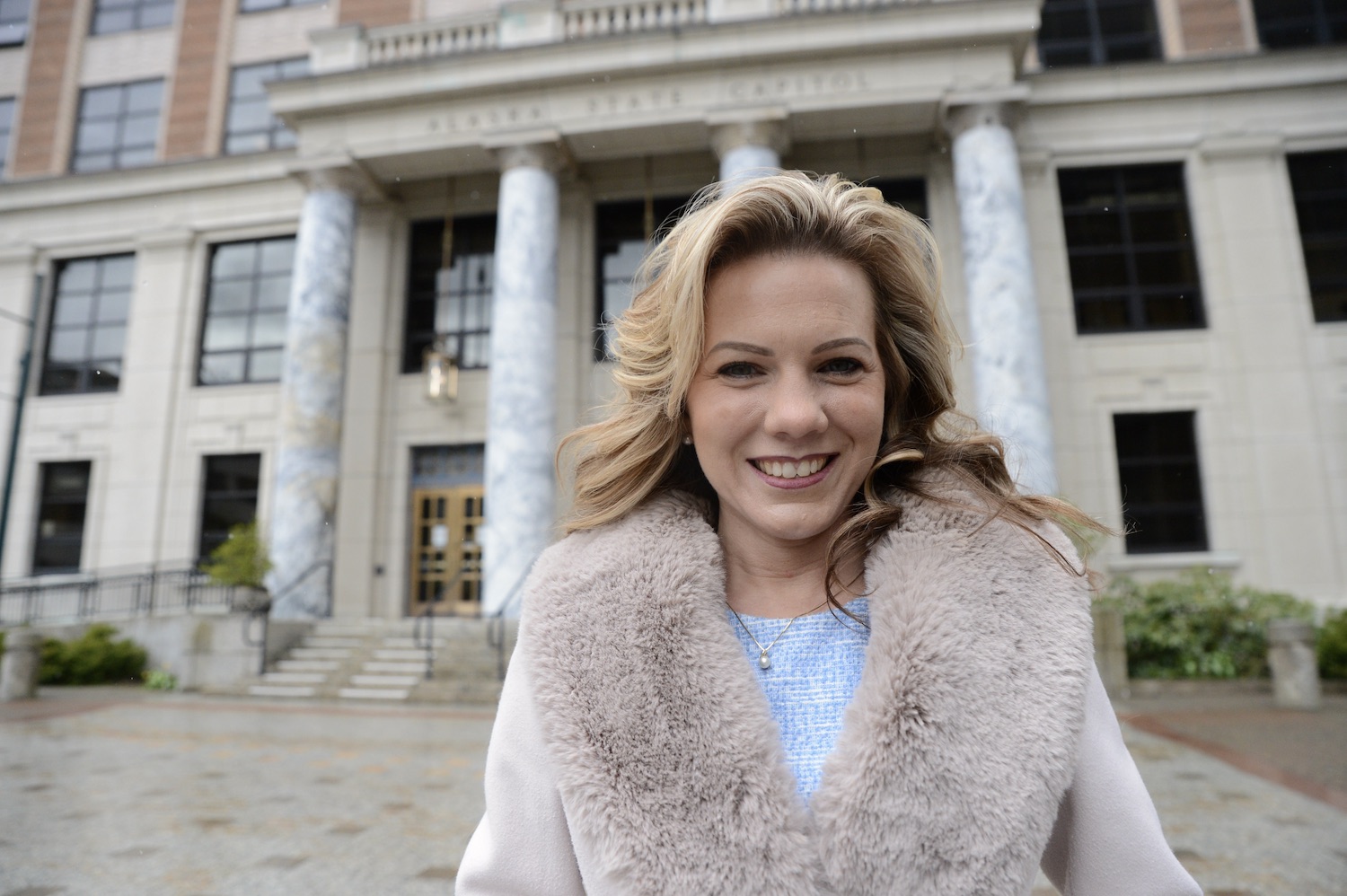
I would be lying if I said I don't find Bernadette Wilson extremely charming. A single mother of three from Kenai and former radio host, Wilson has spent several years working as a conservative campaign staffer. She served as senior advisor to the successful 2024 Nick Begich campaign for Alaska's sole house seat, so when it comes to campaigning, it looks like she knows what she's doing. She certainly seems to be the candidate I see in the news most often, for better or worse.
Her website at this time is still pretty sparse, perhaps relying on voters to look into her past activism rather than directly noting her stance on each policy position. Broadly speaking, I think it's fair to call her a MAGA candidate, toeing the national Republican party line and running a campaign that is more overtly populist than Nancy Dahlstrom. As she explained on December 20 (noting Trump as a positive example of this), "...the ones who can deliver... are the ones who come from outside government and know how to sign a paycheck." She has also taken on Trump's "American Golden age" slogan, applied to Alaska.
She strongly supported Trump's "Big Beautiful Bill" back in May. She is also a very strong supporter of resource development (just like the Alaska Angle), directly mentioning her support for several projects, including "AKLNG, NPRA, ANWR, or Willow, Ambler Road, West Susitna, King Cove, or beyond." Another focal point of her campaign is education; Wilson advocates for large reforms to education, criticizing current policy of "arbitrary" BSA raising, and advocating instead for school choice through educational savings accounts and the promotion of charter schools.
Like Dahlstrom, Bernadette Wilson strongly opposes cuts to the Permanent Fund Dividend, seeking to limit state spending in other ways. She also supports regulation on trawling. In terms of where she stands in the polls, it's hard to tell. Alaska is always limited in reliable polling data, but a 2025 July 21st-27th poll from Data for Progress finds that Bernadette Wilson is the leading Republican candidate with 11 percentage points, followed by Nancy Dahlstrom with 10. I think the main leaders in this race will be Begich, Dahlstrom, and Wilson.
Tom Begich (D)
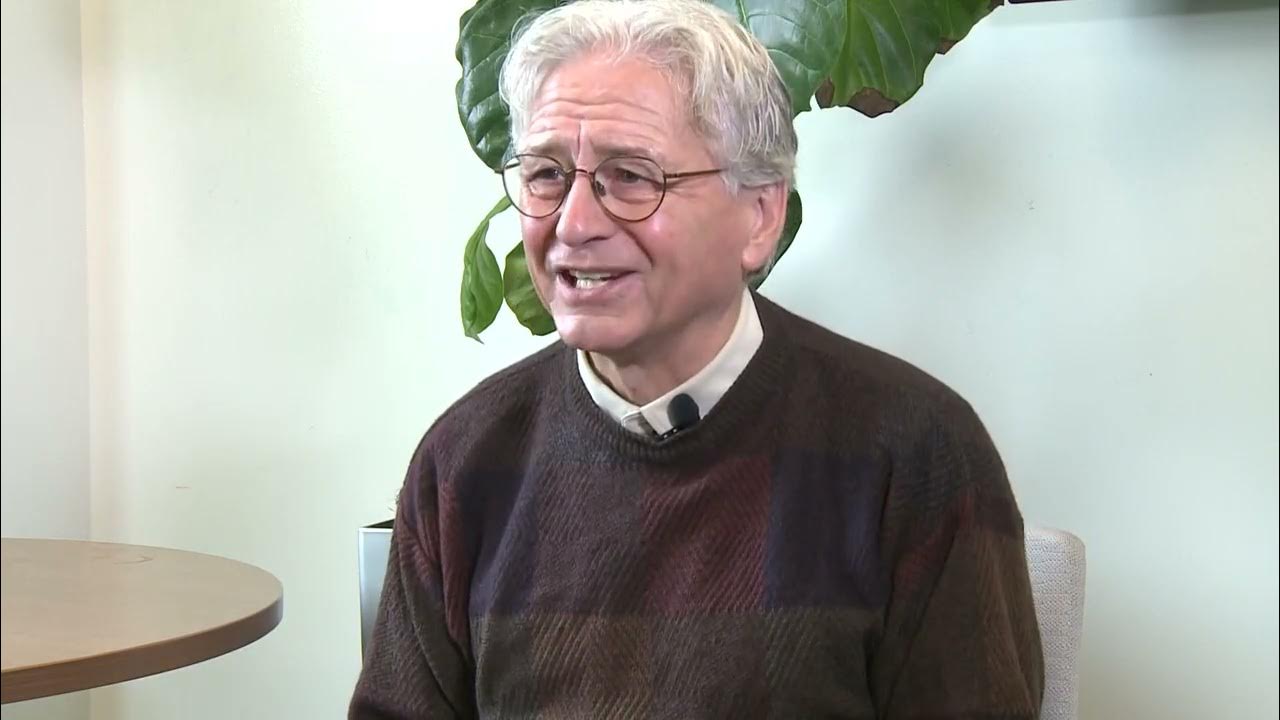
Tom Begich is one of just two Democrats currently running for the office of governor, the other being Matt Claman of Anchorage, who we will probably discuss in a later election article. The uncle of Representative Nick Begich III, and member of the prestigious Begich family, Tom Begich is a seasoned member of government, having served in the Alaska State Senate from 2017 to 2023. Tom Begich is also a musician, and you can check out one of his albums here (I found myself enjoying this album! Lucinda's Dream is my favorite).
Like most of our other candidates, Tom Begich's website is pretty sparse on the volume of issues, but in terms of policy thoroughness, I think he takes the cake. His campaign so far has focused on two important issues: energy and education.
On education, Tom Begich supports bipartisan work on improving educational outcomes through providing reliable funding, increasing opportunities for students, and promoting measures for the retention of quality teachers. He emphasizes his role in the 2022 Alaska Reads Act, which he co-sponsored; the Alaska Reads Act has been successful in increasing the percentage of students reaching reading benchmarks, going from just 41% meeting those benchmarks in 2023 to 58% by the end of the school year in 2024. Concretely, he advocates for:
- Full and consistent funding for schools
- Expansion of pre-K opportunities and literacy programs, similar to the Alaska Reads Act (2022)
- Establish a defined benefit retirement program to attract high quality teachers
- Support pathways for Alaska-grown teachers
- Creation of pathways for student success after graduation
On energy, Tom Begich takes a much different approach from the other candidates we have discussed so far. Rather than stressing the importance of resource development, Tom Begich's campaign has placed a heavy focus on innovation as a solution to Alaska's energy woes. As he puts it, he wants energy to be "affordable, reliable, and locally powered." Particularly interesting is his campaign's focus on "energy storage and hydrogen innovation" and his intent to support renewable energy projects that "complement existing oil, gas, and hydro resources."
As of right now, I see Tom Begich as the most likely winner of the governor's race given the current roster of candidates. Begich is an experienced candidate, so he has what voters are looking for in that regard, and he also comes from a famous family. In Alaska, name recognition means a lot. People see "Begich" and are reminded of decades of political service. Going beyond that, 2026 is looking to be a bad year for Republicans, so the moderate Democrat Tom Begich winning in Alaska is more than possible, maybe even likely.
Begich is also a good campaigner. In December, Begich visited Bethel to meet with local leaders, emphasizing his focus on innovation and energy. A month earlier, he toured the Southeast. Begich understands the importance of rural areas in state elections, a fact that most Republican politicians have ignored so far, and that I will be writing an article about in the future.
Mary Peltola (D)
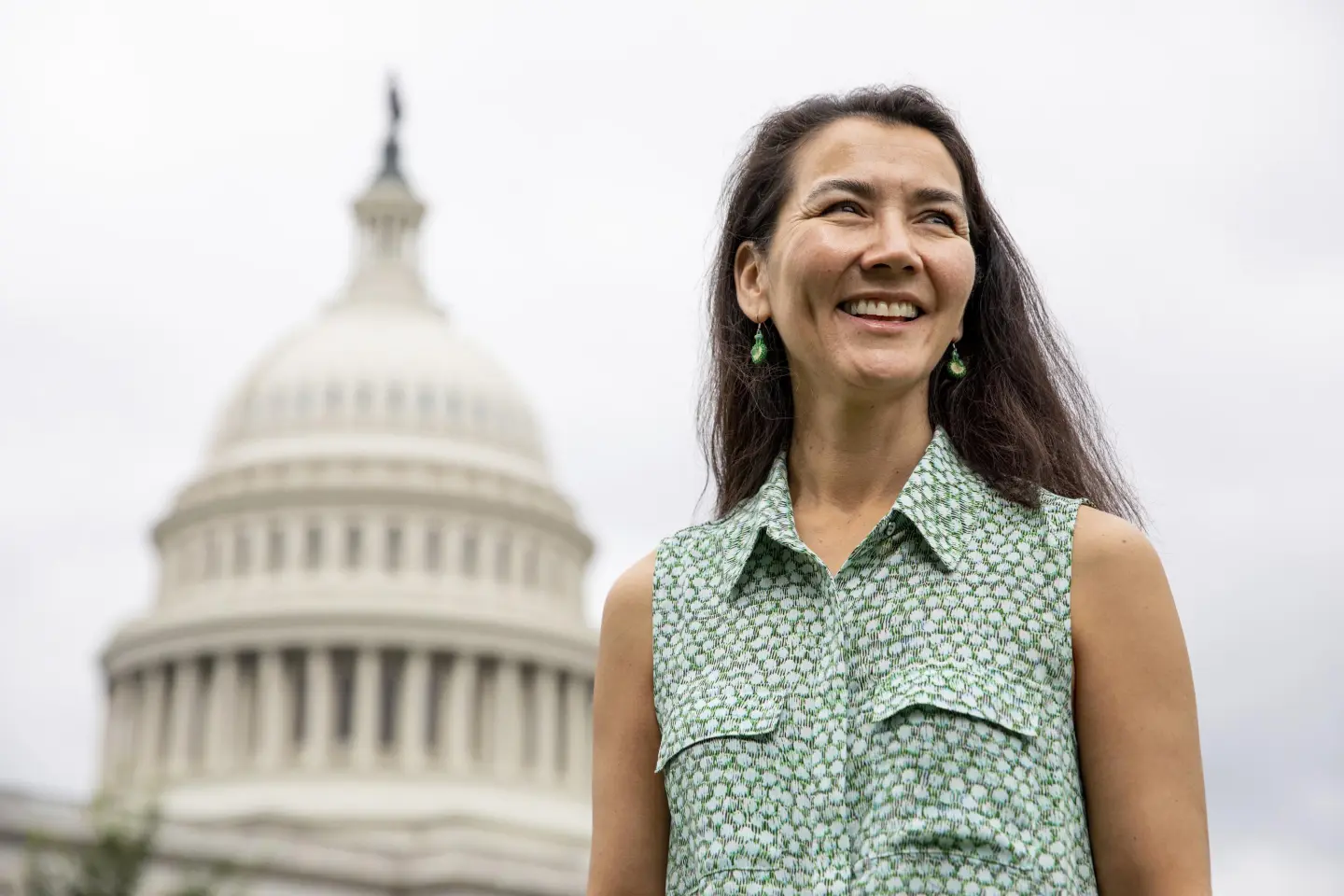
Mary Peltola is not running for governor as of January 5th, but many speculate that she is considering a run. Mary Peltola is the former U.S. Representative for the state of Alaska, defeating the infamous Sarah Palin and less infamous Nick Begich III in a 2022 electoral upset. She served in this capacity until 2025 when she was succeeded by the resurgent Nick Begich III, who had narrowly defeated her in November of 2024.
Since Peltola is not officially running, we really only have her record from Congress to look at.
Mary Peltola has largely positioned herself as a fiscal conservative and social liberal, supporting things that generally have consensus in Alaska, such as resource development. This stance is sort of confusing for Peltola, as she seems to have shifted during her tenure in Congress. This shift is evident through her 2024 abstention when voting for reversing the Biden administration's decision to bar oil drilling in the ANWR, despite having co-sponsored the bill earlier. She did support other measures, though, such as the Willow Project.
On social policy, Peltola is quite liberal, opposing bills that seek to regulate transgender care, as well as the 2023 Protection of Women and Girls in Sports Act. On state-specific issues, we can also assume Peltola would focus heavily on issues regarding fishing (as was one of the main tenets of her platform in 2022 and 2024), especially on trawling.
Let me make this clear: if Mary Peltola runs for governor, she will win. Let me make another thing clear: I don't really like Mary Peltola, so you can trust that I'm unbiased in my assessment. Remember that poll I mentioned earlier when talking about Bernadette Wilson? The number one person in that poll was actually Mary Peltola. Evidently, she is very well-known. Combine this with the similar reasons I gave for Tom Begich being a likely winner (bad national environment for Republicans, experienced candidate), and Mary Peltola is in a position to completely upend the race if she so desires.
Deus misereatur nostri...